
Pants
Zhejiang Weimi Clothing Co., Ltd.is a large-scale clothing manufacturer with a history of 20 years. Worked for hundreds of well-known brands. Our mission is to become the most popular and trusted professional garment manufacturing factory in China. Adhere to the concept of customer first, saving time, worry and money for customers. We have a first-class team of designers to quickly complete samples and designs to achieve perfect samples. Thousands of perfect production equipment, more than 300 frontline skilled staff, strictly control the quality of each batch of orders, adhere to ensure that there are no defective products, delivery time, to achieve zero delay. We have 4 complete clothing lines, including men's, women's, underwear and so on. Each production line is equipped with a dedicated design team, research and development team, quality control team and 50-60 front-line employees. Professional, efficient, first-class service and quality, absolute price advantage let us serve more global clothing brands. One-stop for customers to solve all clothing problems, looking forward to working with you.
In the past 20 years, we have focused on custom all clothing for brands. Fast turn round sample time,top end quality products,delivery fast and in time! much experience and one station for clothing brands! To be the best RELIABLE MANUFACTURE in China!
Why Choose Us?
Quality control
Strict and experienced QC team,three times inspection to guarantee each item.
Competitive price
We have a professional purchasing team and costing team,trying to reduce costs and profits,and provide you with a good price.
24H online service
You can contact us to inquire about pre-sales, sales, and after-sales services, and we will give you a very satisfactory.We are at your service online 24 hours a day.
One-stop Solution
With rich experience and one-to-one service,we can help you choose products and answer technical questions.


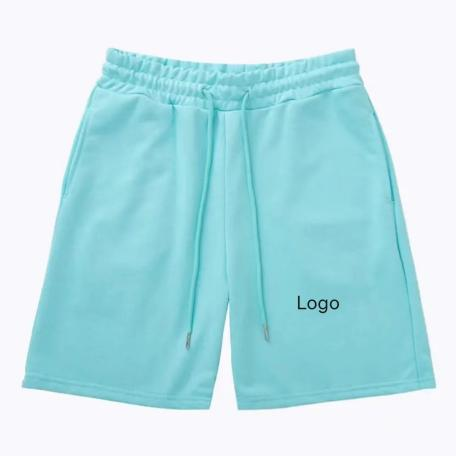
Trousers, slacks, or pants are an item of clothing worn from the waist to anywhere between the knees and the ankles, covering both legs separately (rather than with cloth extending across both legs as in robes, skirts, dresses and kilts). In the United Kingdom, the word pants generally means underwear and not trousers. Shorts are similar to trousers, but with legs that come down only to around the area of the knee, higher or lower depending on the style of the garment.
Benefits of Pants
Warmth
Pants provide protection against the cold and help keep the body warm.
Comfort
Pants are usually made from soft and flexible fabrics that can be more comfortable than wearing skirts or dresses.
Durability
Pants are designed to offer durability and can withstand daily wear and tear better than some other types of clothing.
Versatility
Pants can be dressed up or down, depending on the occasion, making them a versatile item of clothing.
Protection
Pants offer protection to the legs from external elements like harmful UV rays, insect bites, and scratches.
Style
Pants come in various styles and designs, allowing individuals to express their personal style and fashion sense.
Convenience
Pants usually come with pockets, making it easier to carry small items like keys, phones, and wallets.
Professionalism
Pants are often required for certain professional settings, like formal business attire, which can convey respect and professionalism.
Types of Pants



Bell bottoms: These pants are close-fitting along the thigh and then widely flare out from the knee to the hem. These flared pants can be made out of both woven fabric and denim.
Bootcut: Bootcut pants are close-fitting along the thigh and then flare out slightly from the knees to the hem, though not as wide as bell bottoms.
Capri: Capri pants are knee-length or sometimes cropped right below the knee. They can be loose or form-fitting. Culottes are wide-leg capri pants. Another type of capri pants are Toreador pants—slim-fitting silk or satin pants for matadors.
Cargo pants: These baggy pants have multiple large patch pockets on each leg for storage.
Chino pants: Chino is a cotton twill fabric, and pants made with that fabric are called chinos. Chinos feature a flat front and can be worn casually with a t-shirt or with a blazer for a dressy look.
Cigarette pants: These ankle-length skinny pants feature a high-waist and a slim fit along the leg. Denim cigarette pants are known as skinny jeans.
Dress pants: Dress pants, also known as suit pants when paired with a suit jacket, are common attire for professional or formal situations. Dress pants typically feature pleats down the leg and can be straight-leg or slim fit.
Harem pants: These loose-fitting pants have a low crotch and are extremely baggy at the hips and thighs and taper at the leg.
High waist pants: High waist pants, also known as high-rise pants, have a waistline that begins at the wearer’s natural waist.
Jeans: Jeans are pants made from denim fabric and typically feature belt loops. Jeans with a bib top are known as dungarees.
Joggers: Also known as sweatpants, these pants are made of soft, breathable fabrics for exercising. Joggers are loose-fitting pants with a drawstring closure and taper at the leg.
Leggings: Leggings are close-fitting, elastic-band pants made of stretchy material, such as spandex and lycra. Leggings are also known as yoga pants, and leggings of denim are called jeggings.
Low-rise pants: Low-rise pants feature a waistline that begins below the belly button.
Stirrup pants: These slim-fit pants have a strap at the bottom of the pant leg for the foot to go through. These leggings were designed to be covered by knee-length boots worn by equestrians. (Jodhpurs, another type of horse riding pants, are loose pants that are fitted at the ankles.)
Straight-leg pants: These pants are straight from the waist to the hem. Straight-leg trousers are a common style in dress pants.
Track pants: These lightweight, straight-leg pants were initially designed to be worn over athletic clothing. Matching track pants and jackets are called tracksuits.
Wide-leg pants: Wide-leg pants, also known as palazzo pants, are fitted at the waist and flare out from the hips.
Material of Pants
Cotton twill
Twill is versatile and it’s a common fabric for trousers. Its name comes from the weave used to create it – the twill weave. This weave pattern creates diagonal lines across the face of the fabric. These lines can be very obvious or quite subtle, depending on the thread colors used. Twill is very strong, durable, and often mid to heavy in weight, making it perfect for trousers.
Denim
Denim, one of the most common twill-weave fabrics, is a true classic when it comes to everyday, casual trousers. Almost everyone has several pairs of denim jeans in their wardrobe that get a lot of wear. This fabric is usually thick, mid- or heavy-weight, extremely durable, and comfortable to wear.
Linen
Linen is a beautiful, sustainable fabric made from the stems of flax plants. This fabric is strong, long-lasting, and gets a more rustic, worn-in look with every wash and wear. Linen is a breathable fabric, making it perfect for summer trousers or everyday wear for hot climates. If your denim jeans make you feel too hot and clammy, try a casual pair of linen trousers – you’ll be loving your comfy, relaxed, warm-weather linen pants.
Linen/cotton blend
A linen/cotton blend may be just what you’re looking for. Cotton tends to wrinkle quite a bit less than linen and has a bit of a softer touch, so a blend will offer a less wrinkle-prone fabric that feels softer against the skin.
Cotton gabardine
Gabardine is another classic twill weave fabric that is an awesome choice for trousers and outerwear. It’s a smooth twill fabric, with a smooth face on one side and the traditional diagonal ribs on the other side. This fabric was developed by Thomas Burberry in the 1800s as a durable, tight-woven, hard-wearing, versatile fabric for garments that would be subject to heavy use.
Recycled wool
Wool is a long-lasting, hard-wearing fabric that can be made into durable pants for a variety of purposes – from dress pants, to work pants, to cold weather trousers. It’s a fabric that will hold up to years of heavy use and will keep you warm and cozy while out in the cold.
Stretch wool blend
A stretch wool blend fabric is a classic when it comes to making high-quality suits. Making a suit from a wool or wool blend means you’ll have a durable, breathable, yet insulating suit that will last for many years of wear. Blending in other fibers, such as polyester or viscose, adds wrinkle-resistance and a smoother feel. Choosing a blend that includes an elastic fiber, such as Lycra, will result in a suit with a bit of stretch, leading to a more comfortable garment to wear all day.
Cotton satin
Satin is a fabric that is created with a special weaving technique – the satin weave. This weave results in a luxe fabric with a gorgeous, soft drape and a beautiful sheen across the surface.
Hemp
Hemp is a sustainable bast fiber that is very similar in look and feel to linen. Hemp fibers are extracted from the woody stems of hemp plants and woven together to make this durable, breathable fabric. Hemp is great for lightweight summer trousers, especially those in a casual or flowy style.
Cotton corduroy
Corduroy is another classic when it comes to trousers. It’s a durable fabric, usually made from cotton, with unique, striking ridges across the surface of the fabric. The ridges of corduroy can be woven in different widths, from more subtle small ridges to massive, wide ridges. This fabric is great for trousers because of its durability and unique appearance.
Process of Pants
Follow this simple sewing tutorial to make your own pair of elastic-waist pants at home.

Prepare your workspace
Pin, mark, and cut the fabric
Sew the legs
Sew the crotch
Hem the legs
Make the elastic waistband casing
Finish the elastic waist
How to Care for Your Jeans: 5 Tips to Keep Looking Great in Your Favorite Pair
Spot clean
Why do a whole load of laundry when you can use a damp cloth or even an old toothbrush with a mild soap to remove small stains? It’s simple, it’s easy, and it keeps your jeans looking great. Avoiding laundry will help keep the fit you love true to you.
Flip out
After at least ten wears, it may be time to throw your jeans into the washer. Turning your jeans inside out prevents excessive fading and color loss. Faded jeans reflect your personal style but a good fade comes from living in your jeans, not an aggressive spin cycle.
Soap smart
The indigo blue tint of your favorite jeans can wash out with harsh soaps. Preserve your favorite look with the right detergent. Many detergents are concentrated, so you don’t need much. Some are even designed smarter with a pump so you don’t use too much. And most are formulated for cold water to clean your clothes and keep their color. An extra minute in the laundry aisle will all be worth it in the name of helping to keep your jeans their true blue for as long as possible.
Keep it cool
Choosing a cold-water spin cycle is added protection against fading and shrinking. Cold water also saves energy, saving you money.
Air dry
Dryers are the natural enemy of jeans, so it makes sense to opt for a breezier option. Hang them up to dry to help preserve the fit and avoid possible shrinkage or fabric warping. If you live in an apartment, a collapsible clothes rack is perfect. You can keep them turned inside out (and out of the sun) to prevent fading and ensure the interior pockets will dry.
Certifications


FAQ
Q: What is a pant vs pants?
Q: Why do Americans say pants?
Q: What do Americans call pants?
Q: What are hard pants slang?
Q: Why do Brits say pants?
Q: Are shorts classified as pants?
Q: Are leggings considered pants?
Q: What were pants originally called?
Q: What is a dad pant?
Q: What is half pant called?
Q: What are California pants?
Q: What not to wear with leggings?
Q: What are 70s pants called?
Q: What is world's oldest pants?
Q: What do you call hippie pants?
Q: What are fat pants?
Q: Is 70s hippie or disco?
Q: What is the most worn pants in the world?
Q: What year was baggy pants?
Q: Are boyfriend jeans still in style 2023?
As one of the leading pants manufacturers and suppliers in China, we warmly welcome you to buy or wholesale bulk pants in stock here from our factory. All customized products are with high quality and competitive price.